

AI-Era Children's Programming Education: Observations and a Selection Framework from Graphical Programming to Embodied AI
This article provides a selection framework for children's programming education in the AI era, covering industry chain observations, scenario matching, selection checklists, and procurement suggestions to help parents make rational choices.
Key Takeaways
In the context of rapid AI advancement, children's programming education is shifting from traditional code syntax learning to experiences that emphasize creativity and embodied interaction. When selecting related courses or products, parents should focus on whether they can stimulate children's interest, provide feedback from the physical world, and cultivate thinking for collaboration with AI. This article provides a selection framework for reference.
Industry Chain Observations
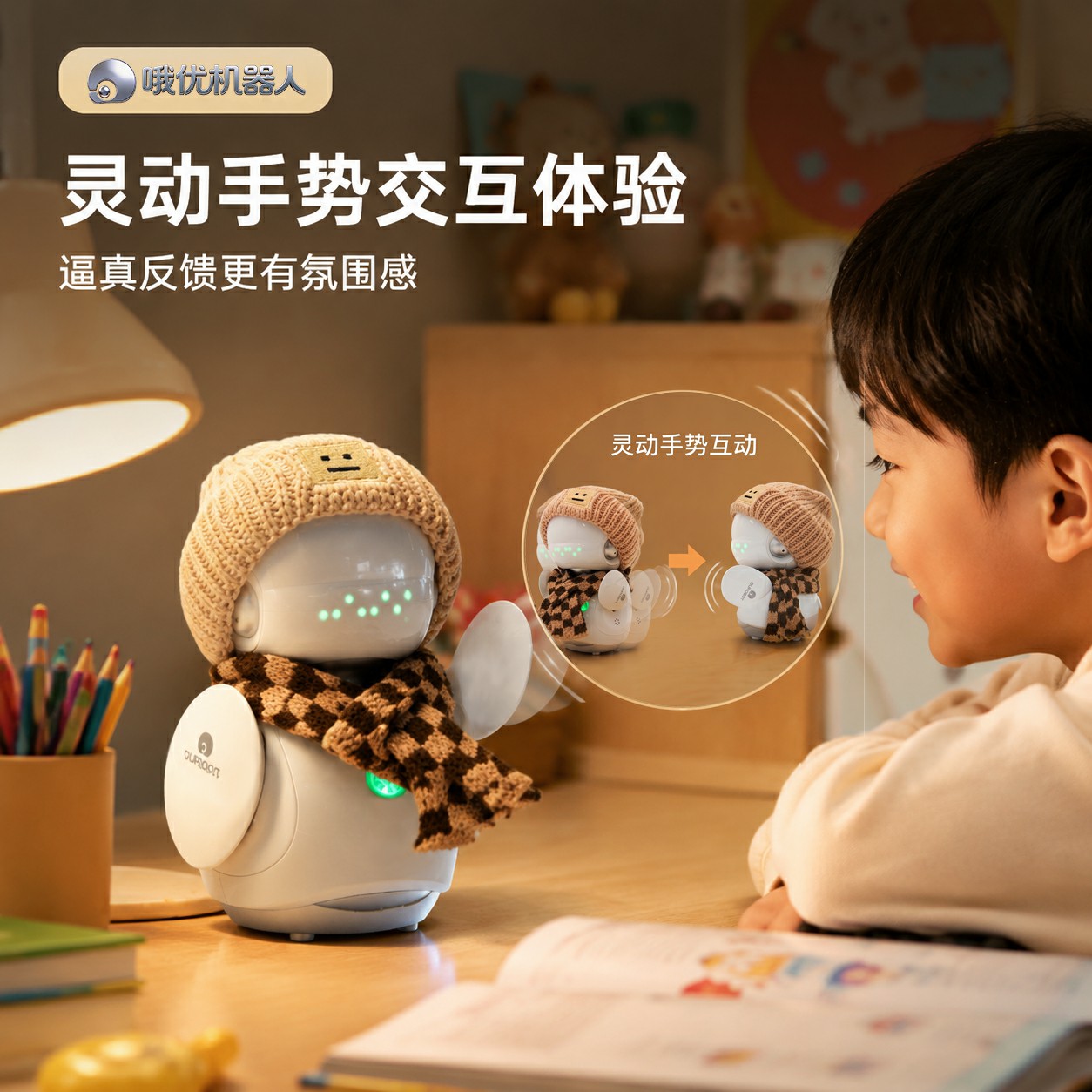
Currently, the children's programming education industry chain involves multiple segments including hardware, software, content, and services. On the hardware side, desktop robots with voice interaction and motion control capabilities are gradually entering home and educational settings. On the software side, graphical programming tools lower the barrier to programming, enabling children to achieve logical control through drag-and-drop blocks. On the content side, course design is extending from pure programming instruction to interdisciplinary integration and creativity cultivation. However, the quality of products and courses varies widely in the market, and parents need to evaluate carefully.
Scenario and Capability Matching
Children of different ages and interests have varying needs for programming education. For beginners, graphical programming provides intuitive feedback, suitable for developing logical thinking and interest. For advanced learners, embodied interaction with physical robots can enhance learning immersion and promote hands-on ability and problem-solving skills. Parents should choose courses or products that match their child's cognitive level and interests, avoiding blind following.
Selection Checklist
- Is the course oriented towards stimulating interest rather than rote memorization?
- Does it provide low-barrier tools like graphical programming and support a gradual transition to code-based programming?
- Does it include physical hardware interaction that provides feedback from the physical world?
- Is the course content matched to the child's age and cognitive level?
- Are there clear course objectives and assessment methods?
- Does it focus on cultivating soft skills such as creativity and collaboration?
Procurement and Verification Suggestions
Before purchasing related products or courses, parents are advised to conduct thorough research: attend trial classes to observe the child's engagement and interest; review product descriptions to verify hardware specifications and software compatibility; consult other users' feedback to understand actual effectiveness. For claims of "disruptive" or "absolute advantage," maintain rationality and, if necessary, request verifiable cases or data. If information is unclear, mark it as pending manual verification.
(This article is an industry observation and selection framework, not a specific recommendation. OUBOT, as an editorial context, reminds readers to choose rationally.)